Genius Loci – Early 2025
“There is grandeur in this view of life, with its several powers, having been originally breathed into a few forms or into one; and that, whilst this planet has gone cycling on according to the fixed law of gravity, from so simple a beginning endless forms most beautiful and most wonderful have been, and are being, evolved.”
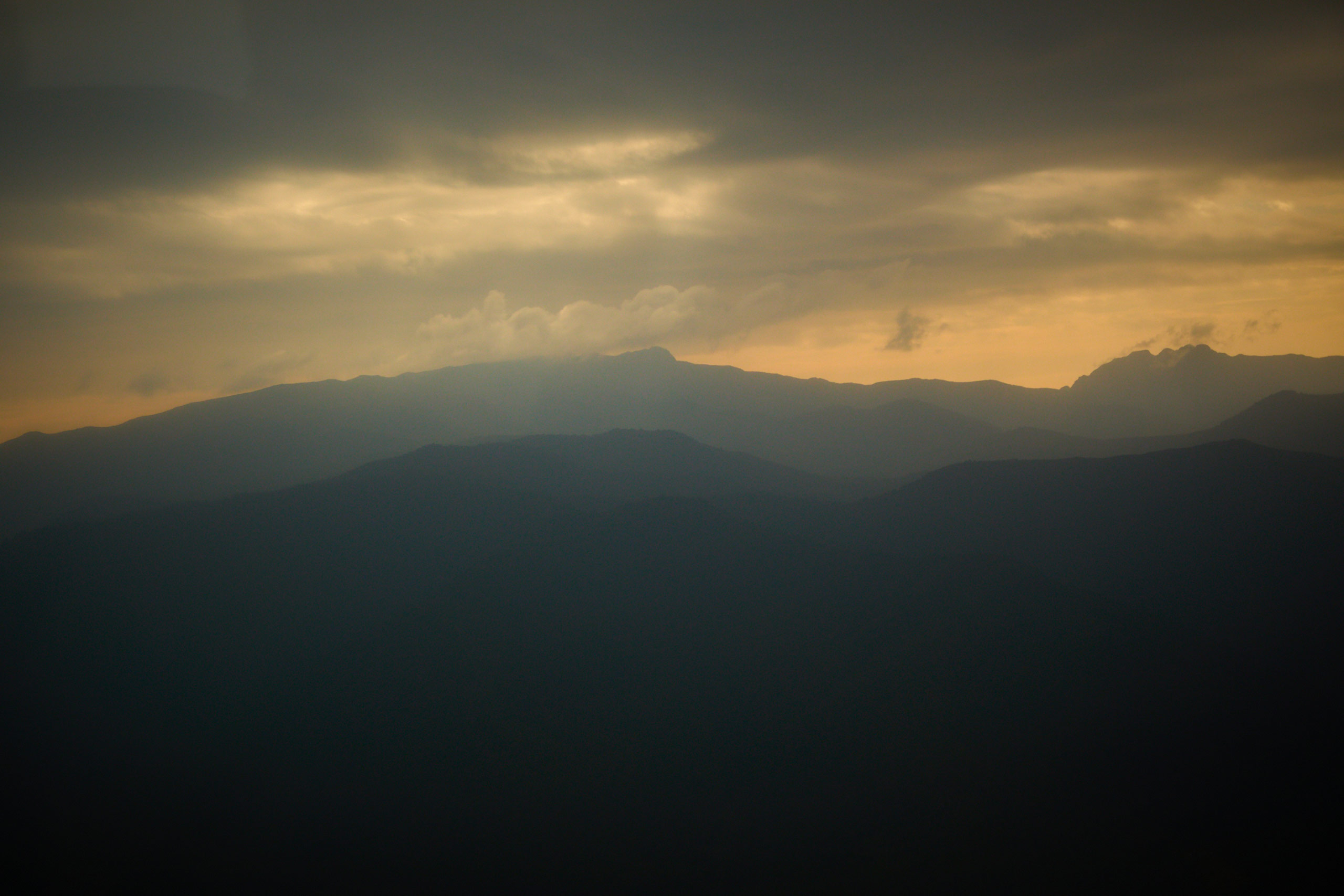
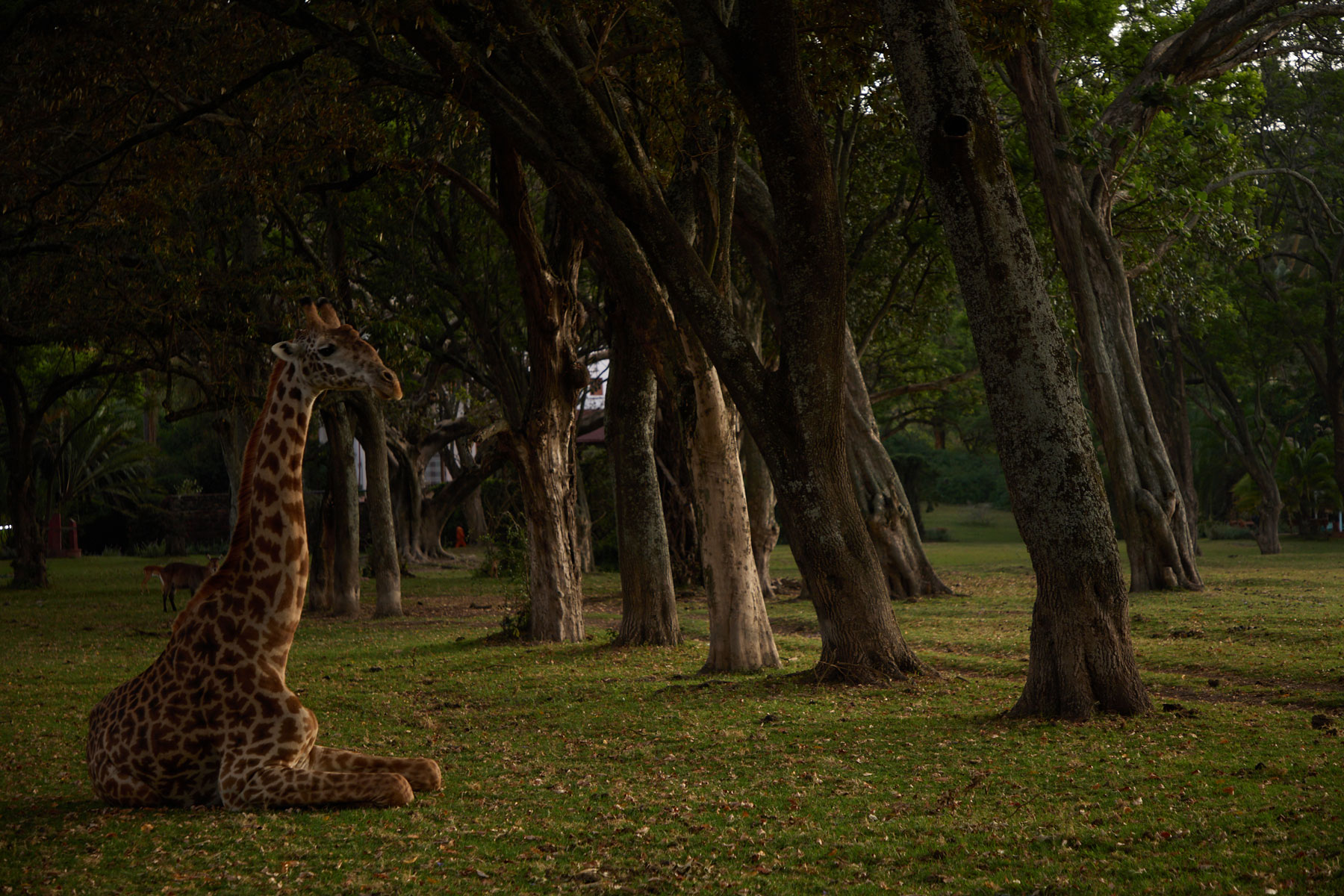
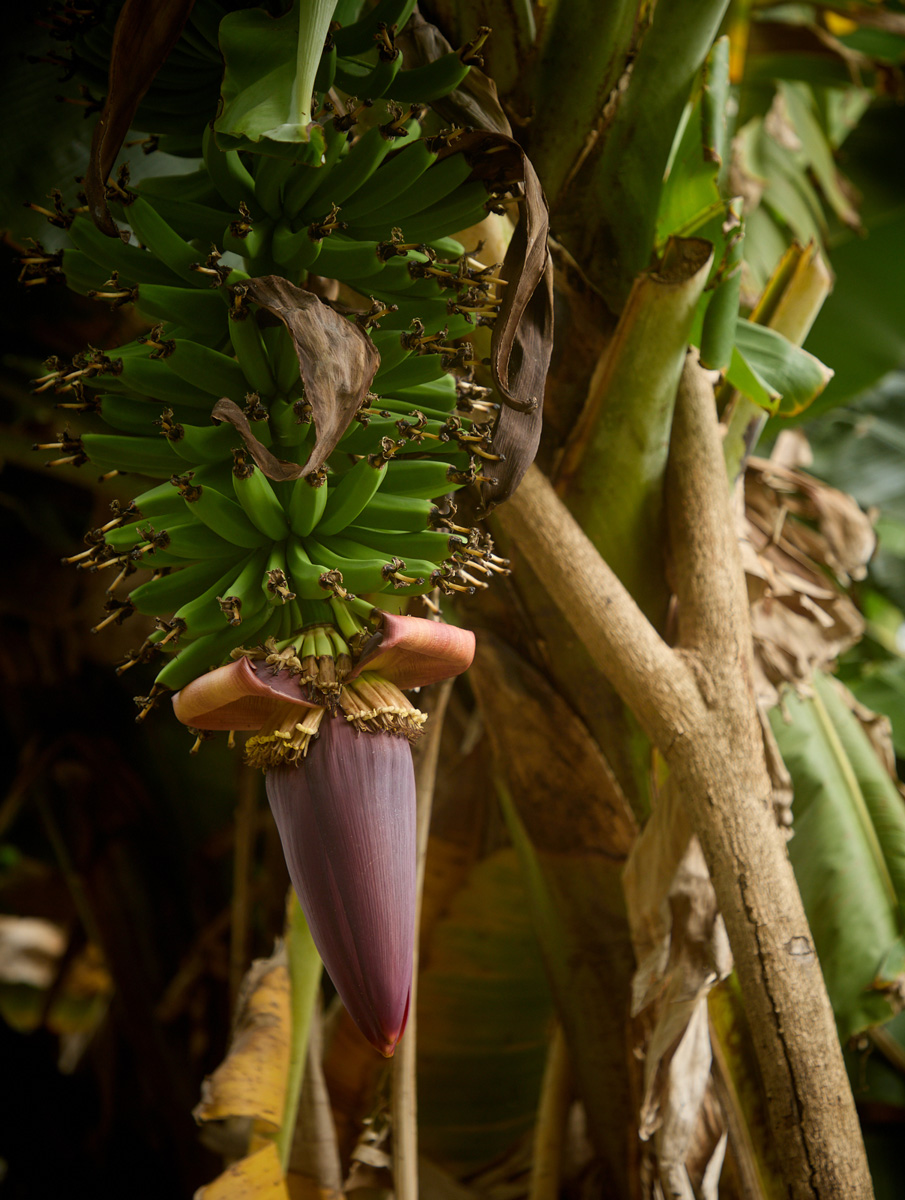
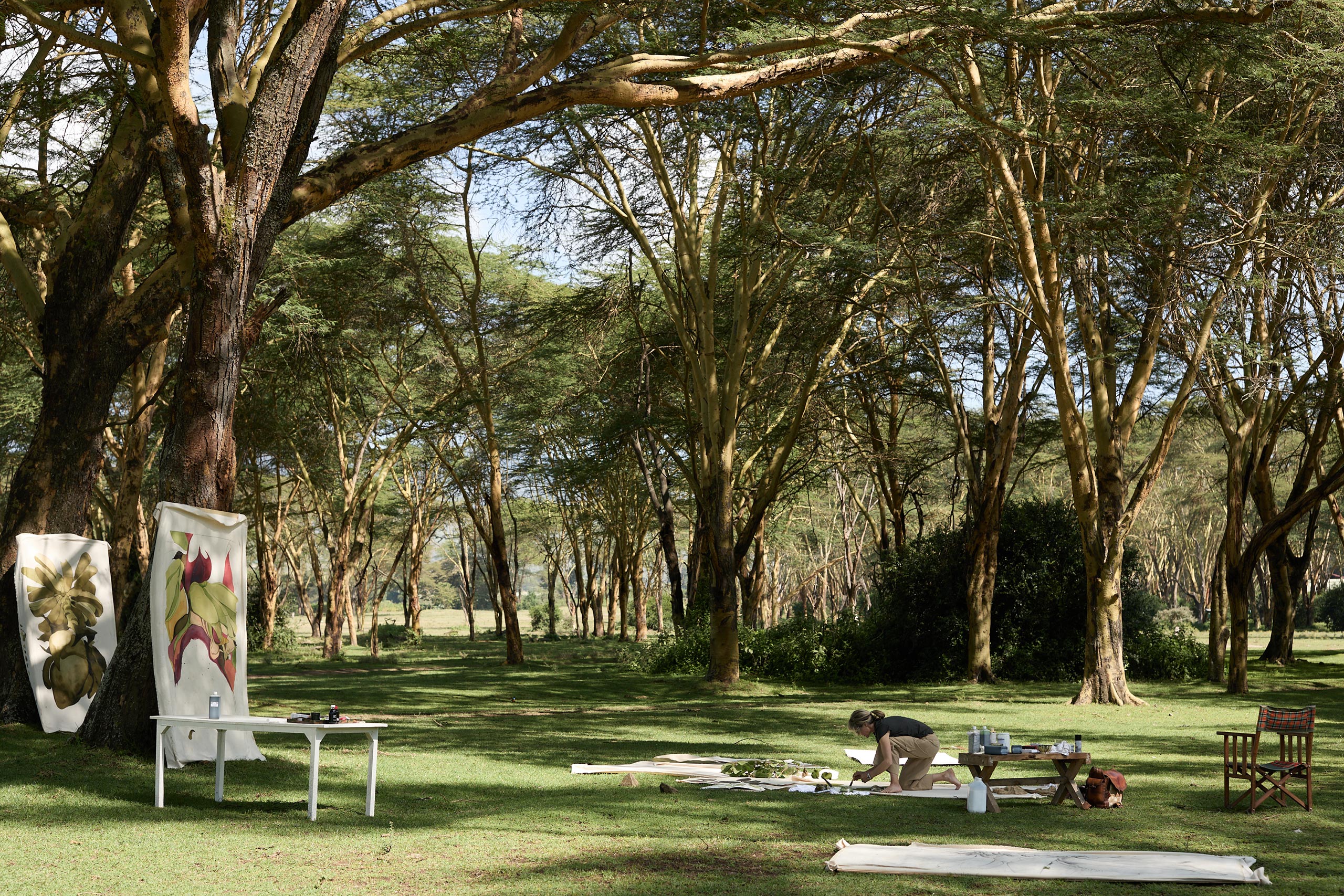
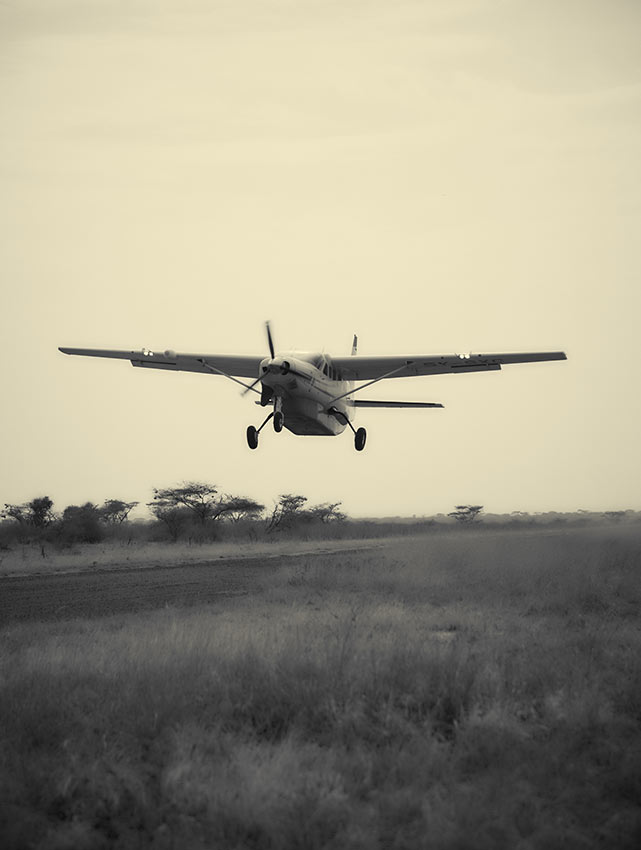
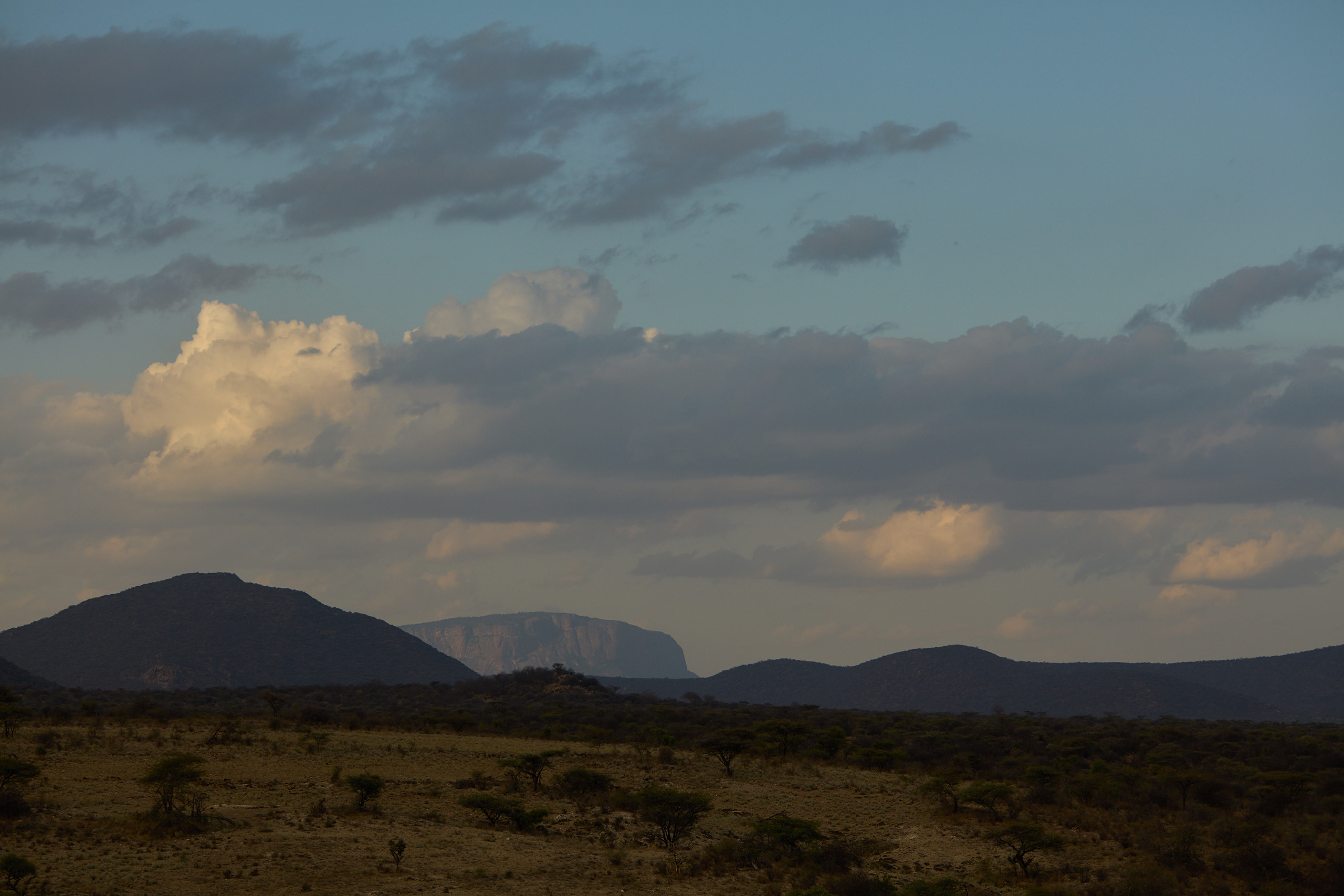
Genius Loci was realised in the heart of Kenya, following an immersive three-month stay at Sirocco near Lake Naivasha and the Samburu National Reserve.
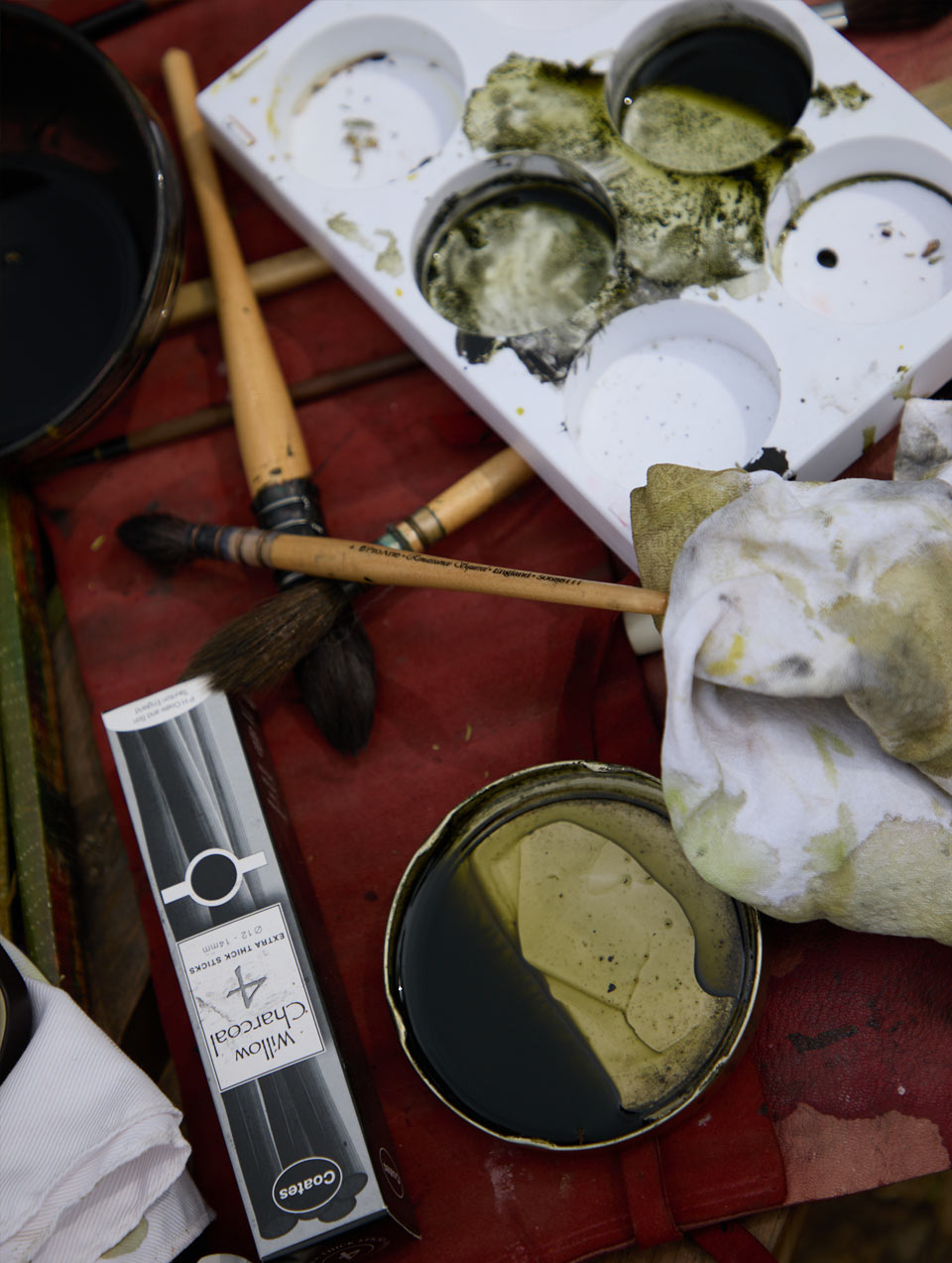
Uprooted from the comfort of her London workspace to a makeshift studio she began creating work with what little she had to hand. The result was a powerful series of paintings and drawings that take inspiration from the untamed beauty of the East African landscape revealing both the wonder and strangeness of the natural world.
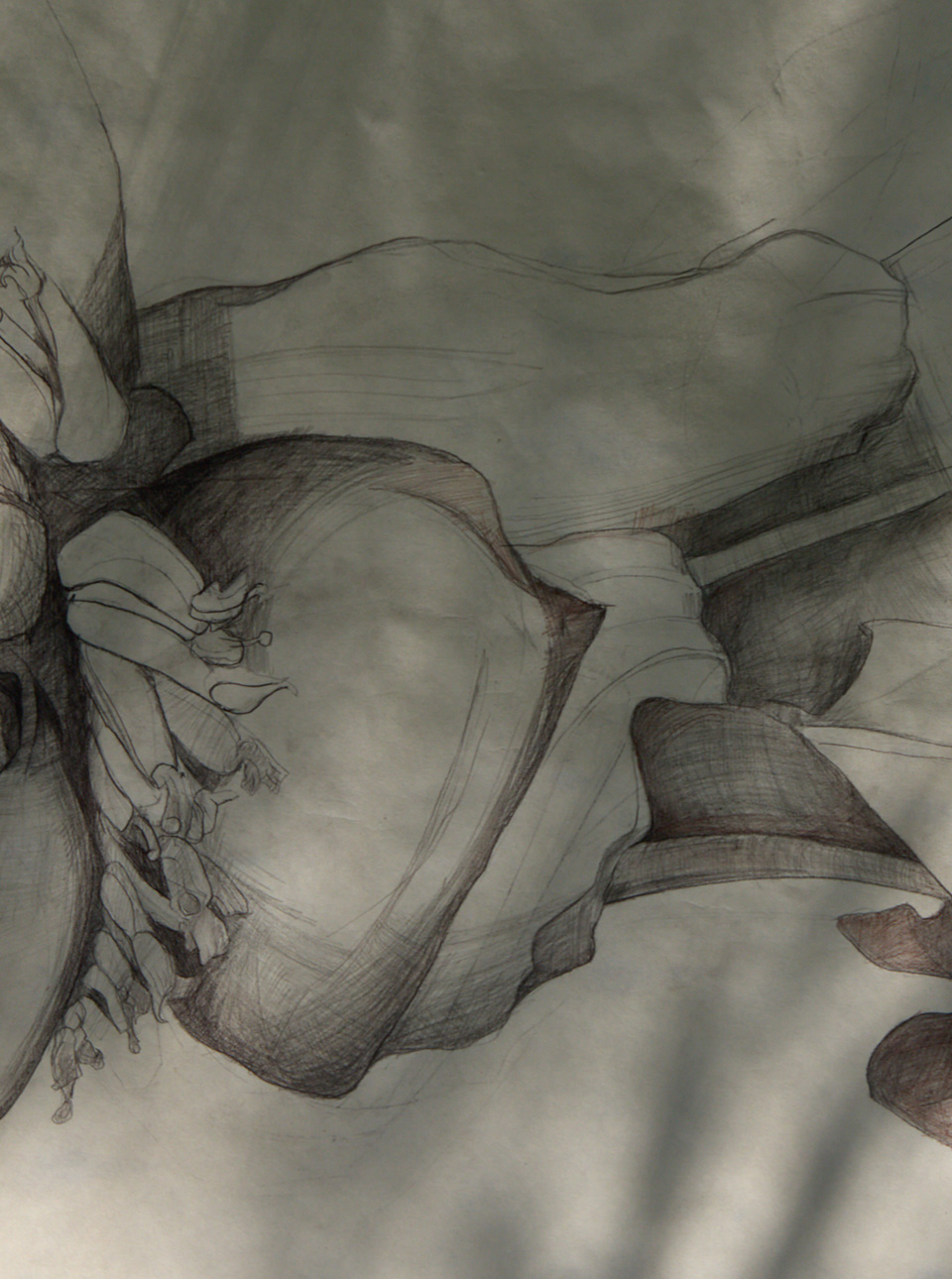
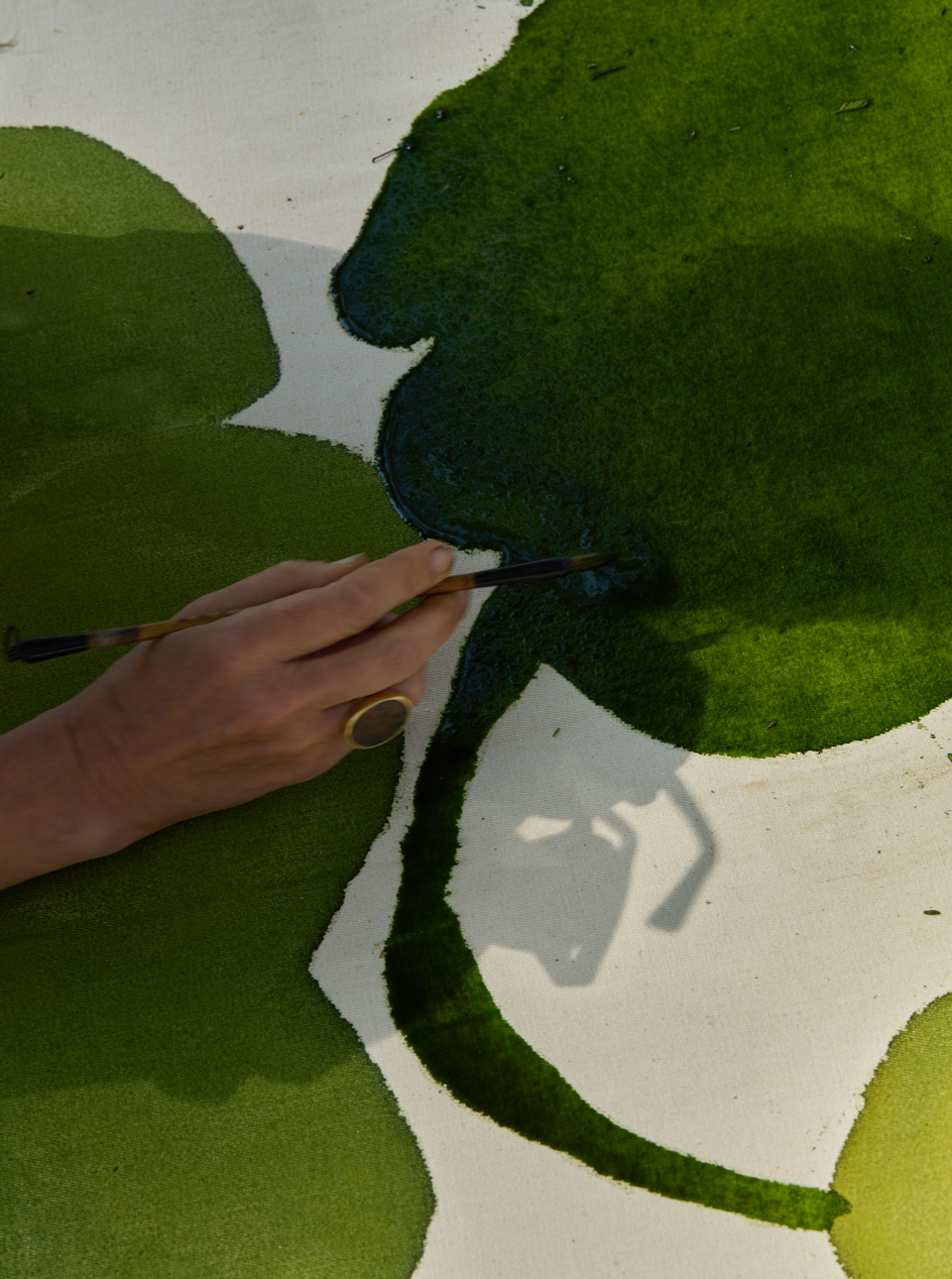
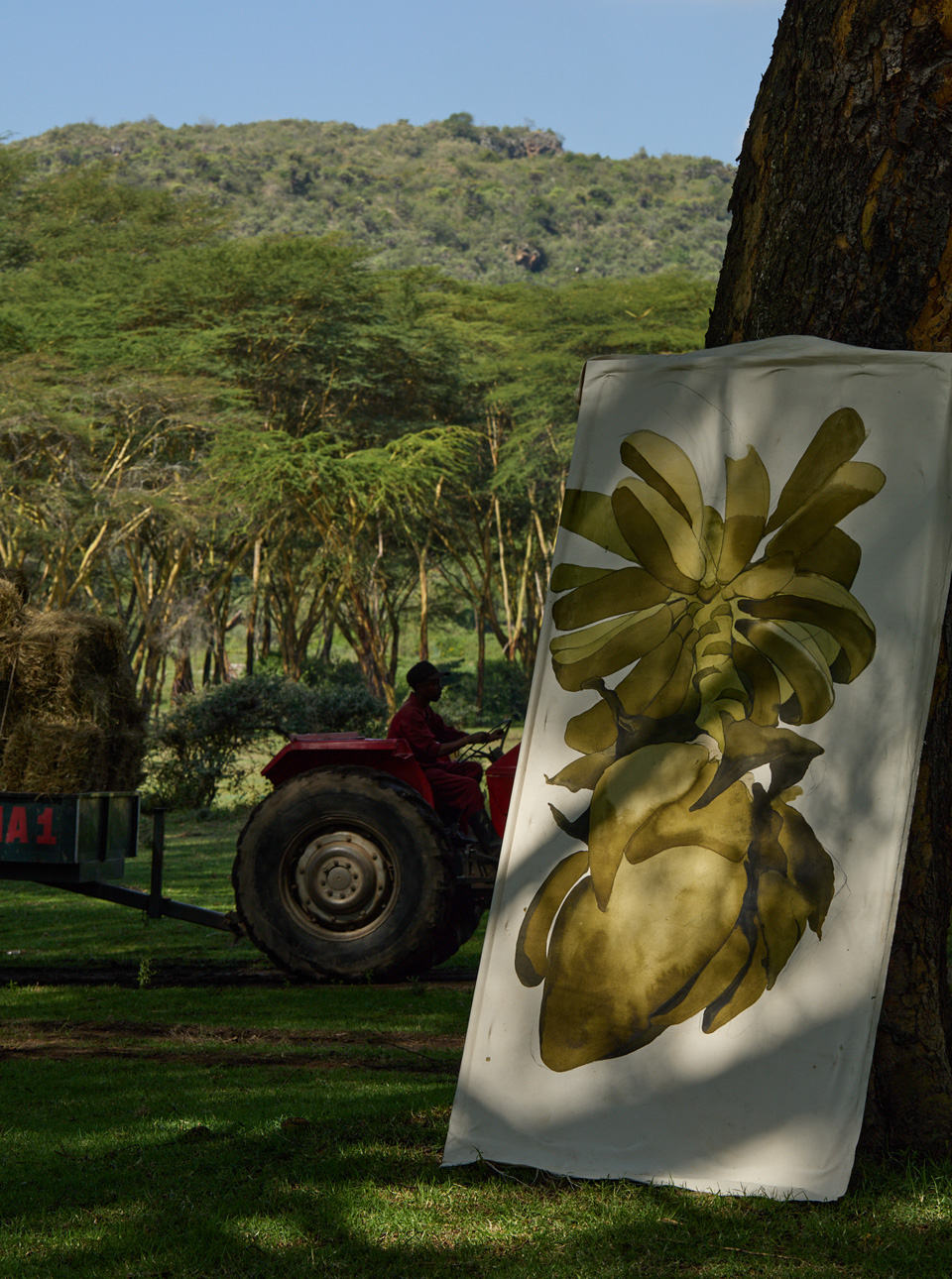
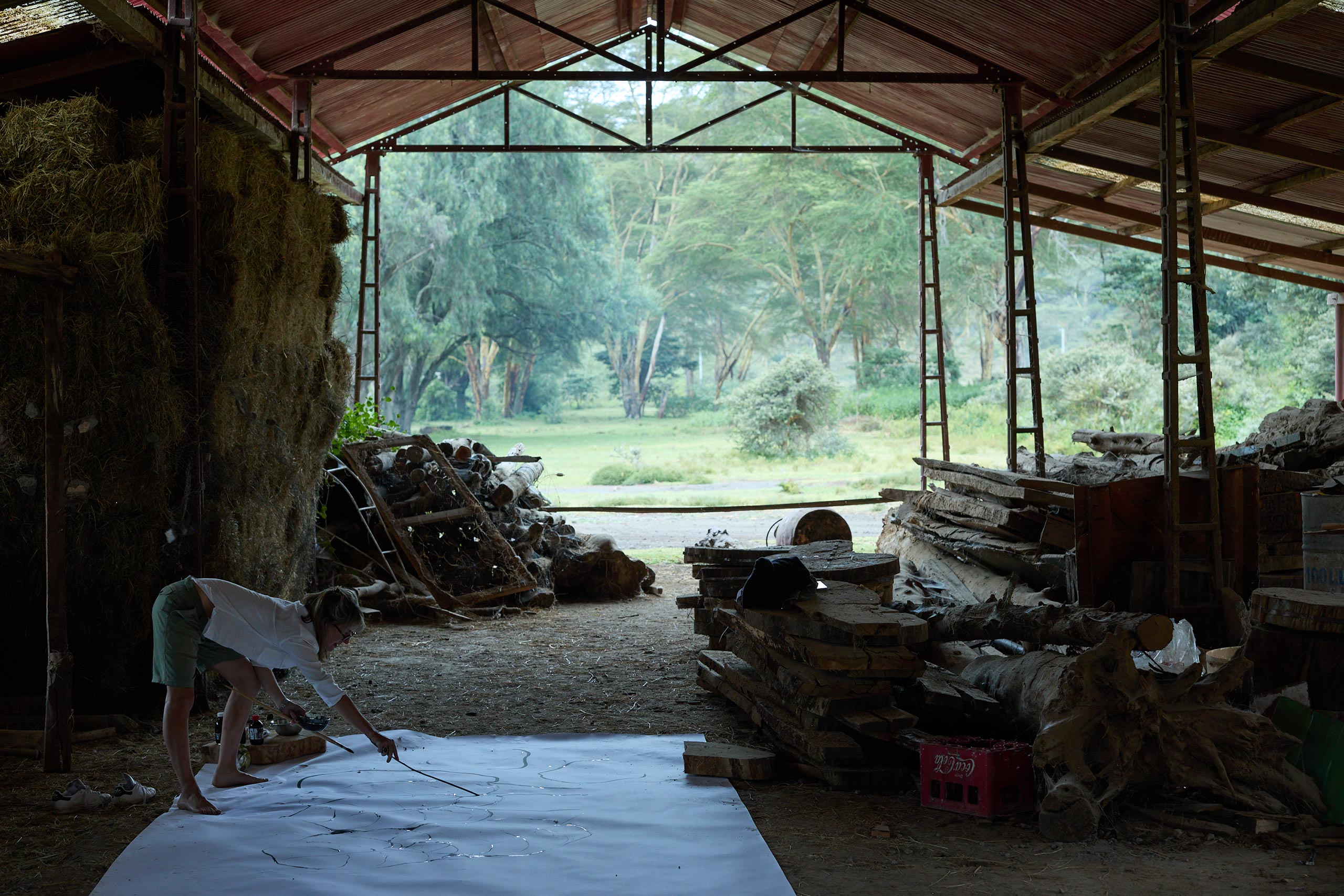
“Looking up into the high branches of the Ficus sycomorus, I exhaled in awe. My gaze followed the leathery grey boughs, enormous in diameter, and the tortuous coiling root tendrils that draped across them. Baboons stared down defiantly, basking in the early morning sun from across Lake Naivasha. Hungrily, with humanlike precision, they picked the fruit off the Ficus and some of it fell at my feet. I bent down and picked up a few leaves. These are what I had come back for, and I marvelled once more at their extraordinary blunt, beautiful shape, bigger than my outstretched hand.
It had begun a year earlier. We were walking back to Sirocco on the high road above the farm, lamenting the fact that we had to leave the following day. Although we had been to Sirocco half a dozen times for brief visits, as well as six weeks during the first Covid-19 lockdown of early 2020, I had never properly taken in the Ficus and their glorious foliage. Why had I not found these trees before? I cursed the fact that I could not then and there lay down a roll of canvas or large sheet of paper and record their forms immediately. I said as much to James, walking beside me. ‘Well, let’s come back next year for longer, for a few weeks. We could school the children here somehow, set up a studio’, he said. ‘Don’t be ridiculous!’ I hissed, not daring to take him seriously.
Trying to find out more about the Ficus sycomorus – or, as it is commonly known, the sycamore fig – and whether it flowered or just had fruit, proved difficult when I got back to London. I was determined to do something with these majestic forms, perhaps even base my next show around them, but my searches proved futile. There were no illustrations in plant encyclopaedias, no references in the Natural History Museum’s archives, nothing on Google, and even the extensive library at the Royal Botanic Gardens at Kew procured only an account of an early botanist’s 1860s expedition, ‘from Zanzibar to Cairo’, with a map of his journey through Kenya (opposite). I was dismayed that my usual resources could not bring me any closer back to the shores of Naivasha. I was going to have to admit defeat.
Then one day I spotted a small Ficus in the window of a smart flower shop on the King’s Road. With growing excitement, I enquired as to where it had come from, and soon found myself in an exotic plant wholesaler in the Covent Garden Flower Market across the river. Delighted, swearing, and £300 poorer, I pushed and pulled a six-foot specimen from the back seat of the car upstairs and into the studio. Over the next few days, I spent hours gazing at it, both thrilled and full of trepidation of how best to set down its almost monstrous shape and huge scale.
A show of Brice Marden’s abstract drawings in New York a few weeks later fascinated me. There was something so primitive and perfectly natural about his drawing with sticks dipped in paint. I was not sure what they were of, but that hardly mattered. They struck me instead as the ideal way to begin drawing my African tree. I had spent so many years trying to draw plant forms accurately and tidily in the clean confines of the studio, and now I had this sudden idea to go back to basics, back to sticks and mark-making in its most primitive form that suddenly seemed to fit so perfectly to this strange and wild tree in this strange and wild country.
I recalled the books on the shelf beside my bed in Wiltshire that had laid dormant since my father had given them to me years before: H. G. Wells’ The War of the Worlds, John Wyndham’s The Day of the Triffids, Arthur Conan Doyle’s The Complete Professor Challenger Stories – tales that had filled me with excitement and wonder as a child, stories about adventure, far-flung landscapes, and the otherworldly, often macabre findings there. I loved their dense prose, little dialogue, and painterly descriptions of the natural world.
And so it was, exactly a year later on from finding this tree, that I was packing these same books, bundles of paper, and drawing materials to spend a couple of months with my family in Kenya.”
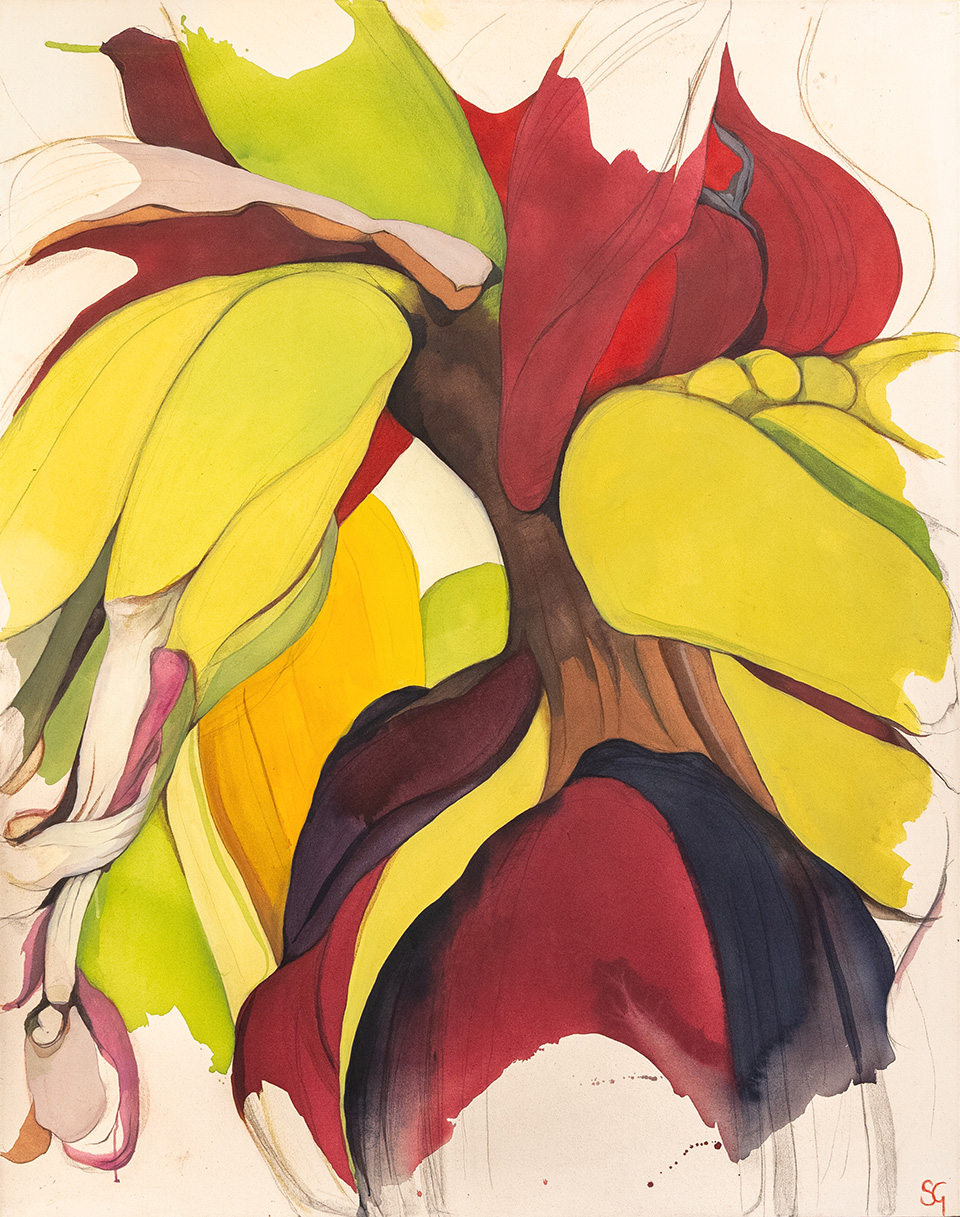
Charcoal, graphite, ink & acrylic on canvas
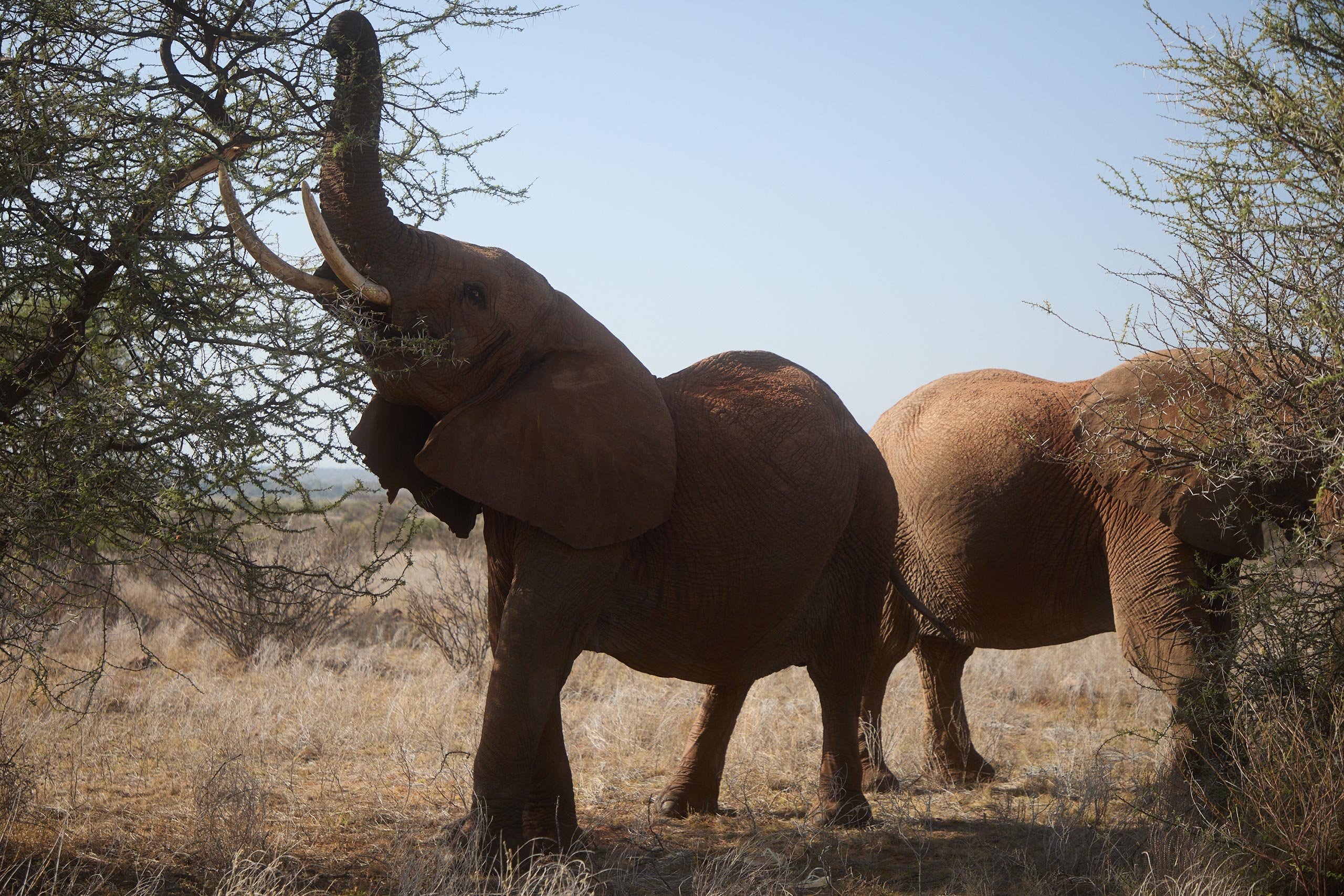
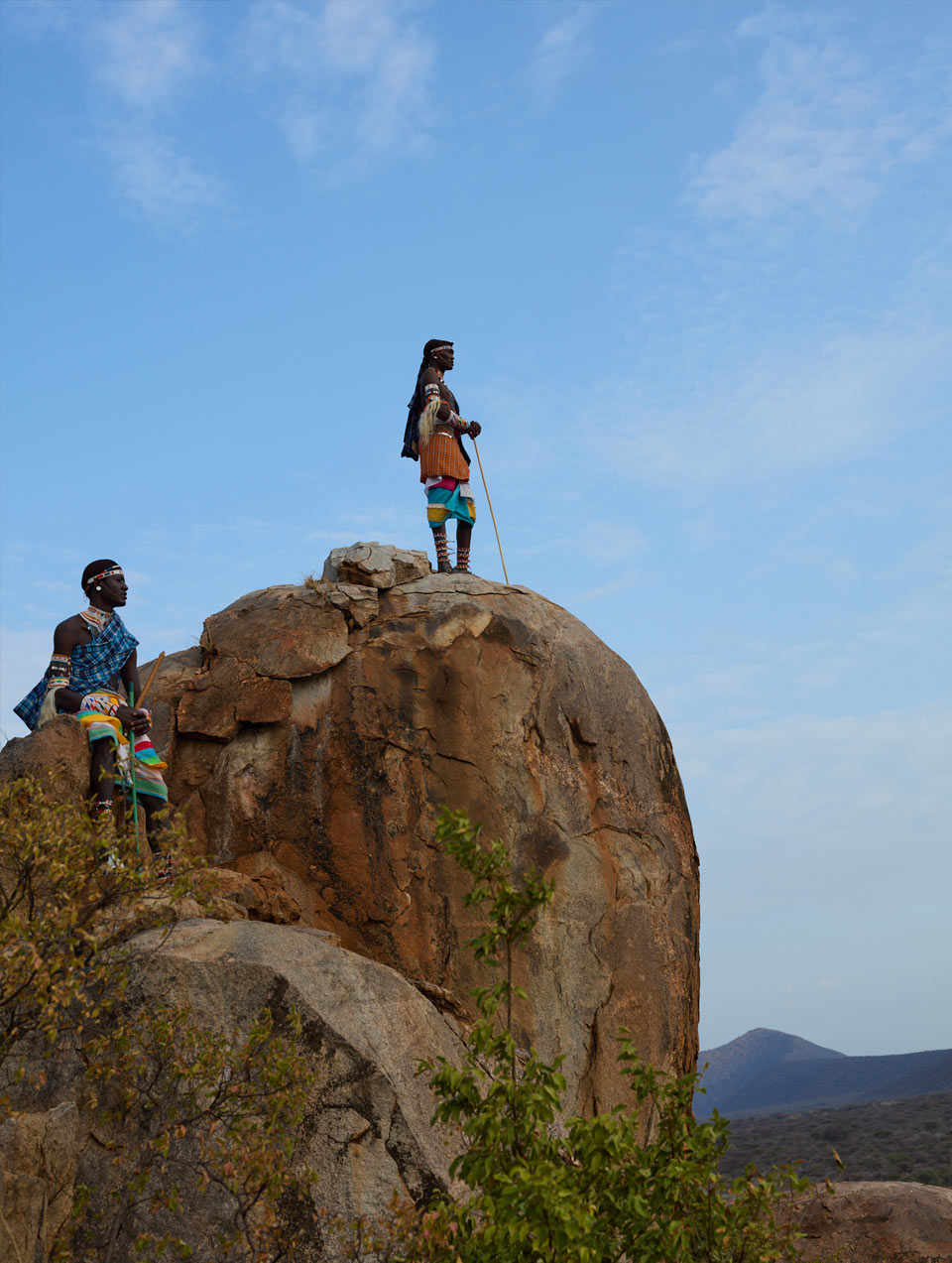
The Samburu National Reserve was established in 1962; a community- managed wilderness, preserved by the local Samburu communities. With vast, arid landscapes, it is home to nearly 900 elephants and a diverse range of indigenous wildlife. In 1993, Iain Douglas-Hamilton founded Save the Elephants (STE), a conservation organisation and charity, with its primary research station located at the reserve. STE’s mission is to secure a future for elephants and sustain the beauty and ecological integrity of the places they inhabit. Today, the elephants of Samburu are among the most studied in the world. The data collected over the last 30 years has allowed scientists to understand the impacts of the ivory poaching crisis on populations across Africa. The sight of these magnificent creatures in their vast, unbridled landscape left a profound impact on Graham and her family, igniting a desire to honour them through her work.
Proceeds from the launch of Genius Loci were donated to Save the Elephants.
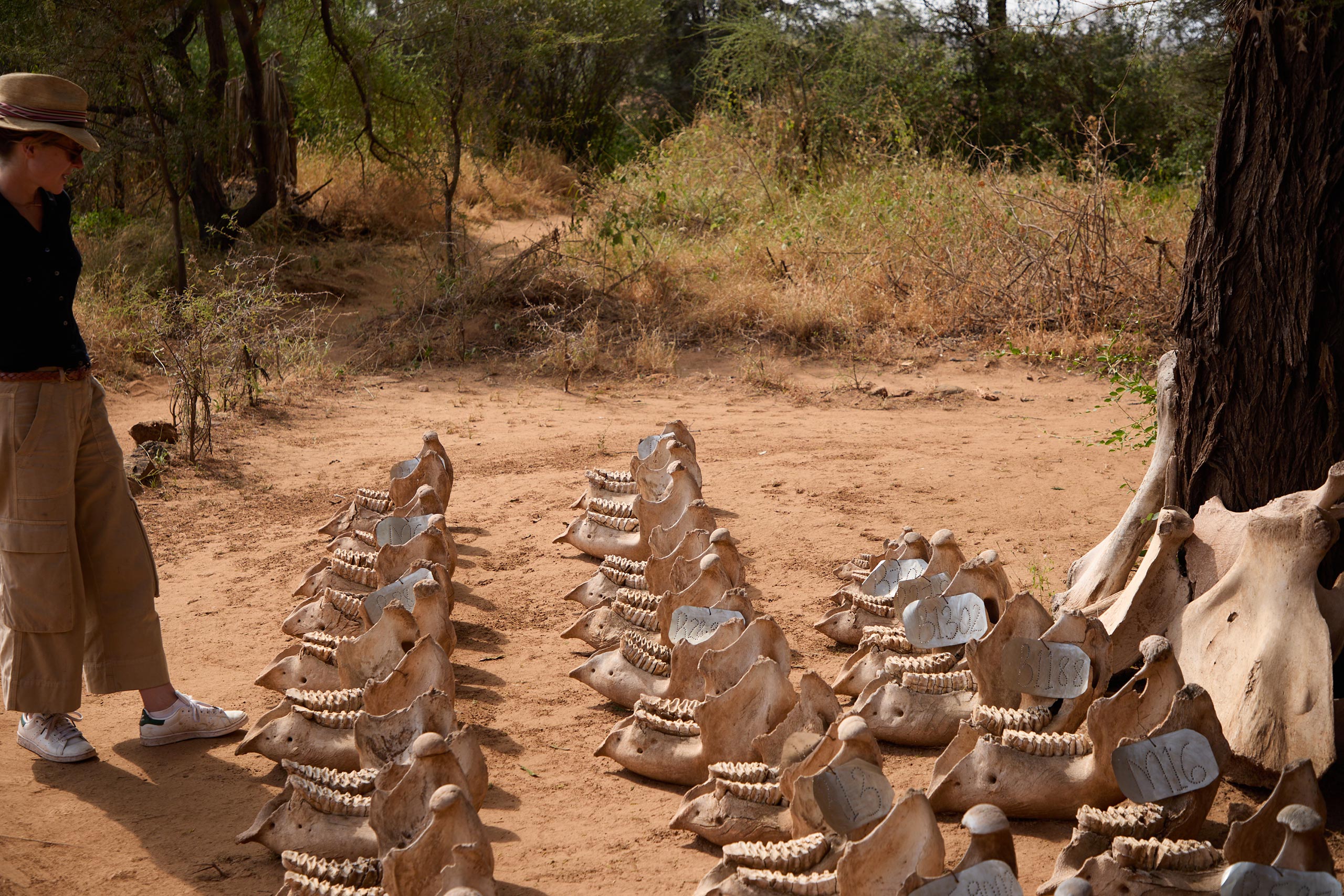
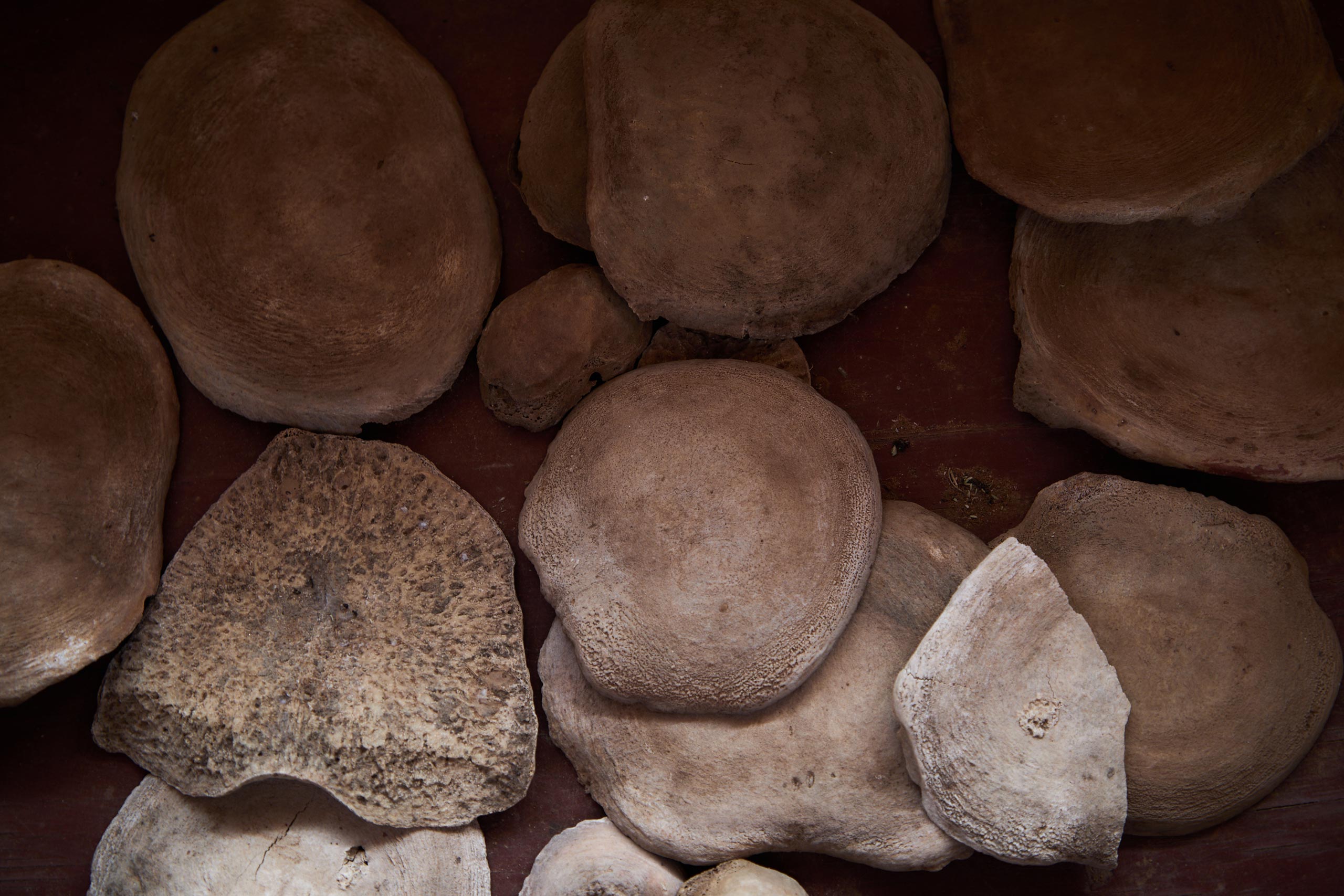
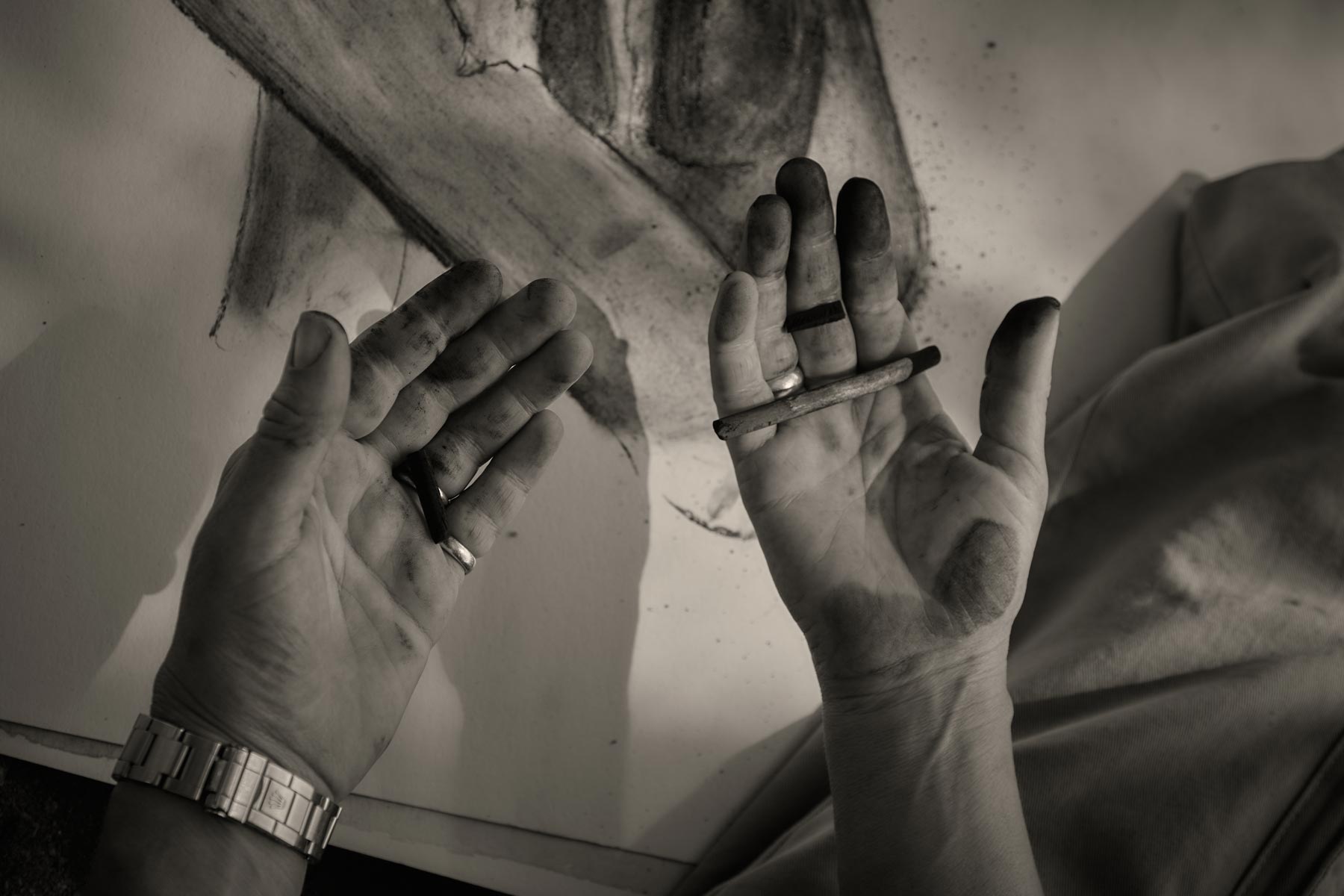
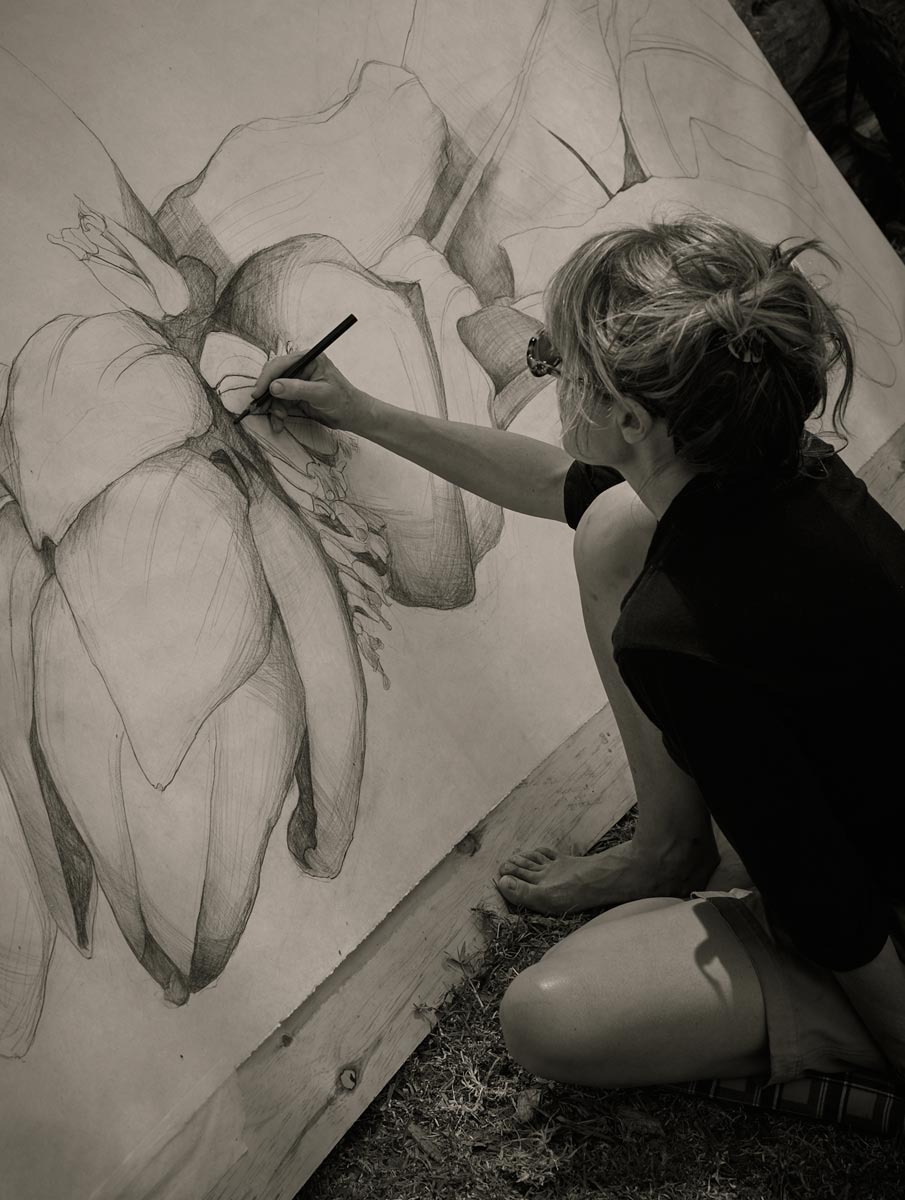
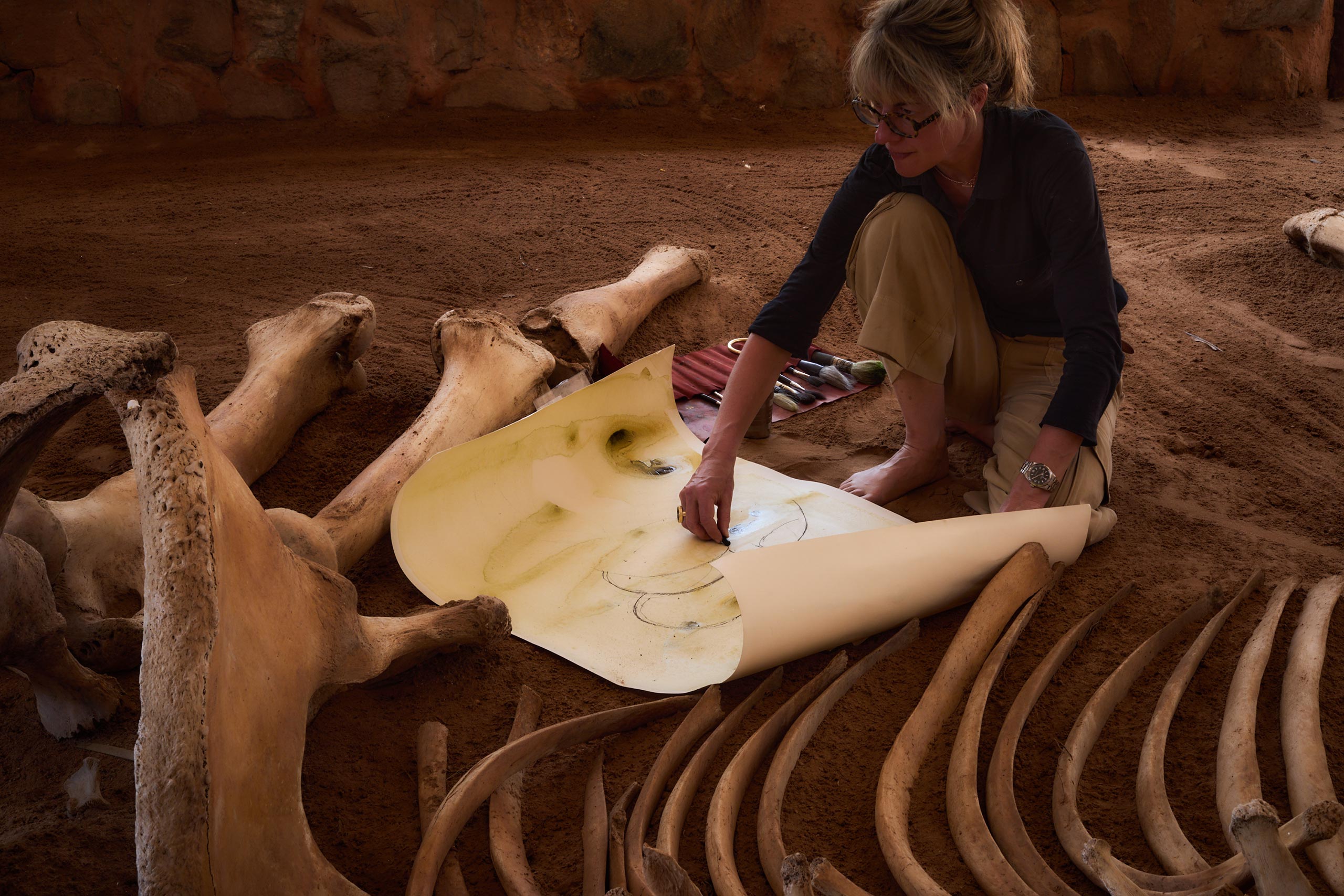
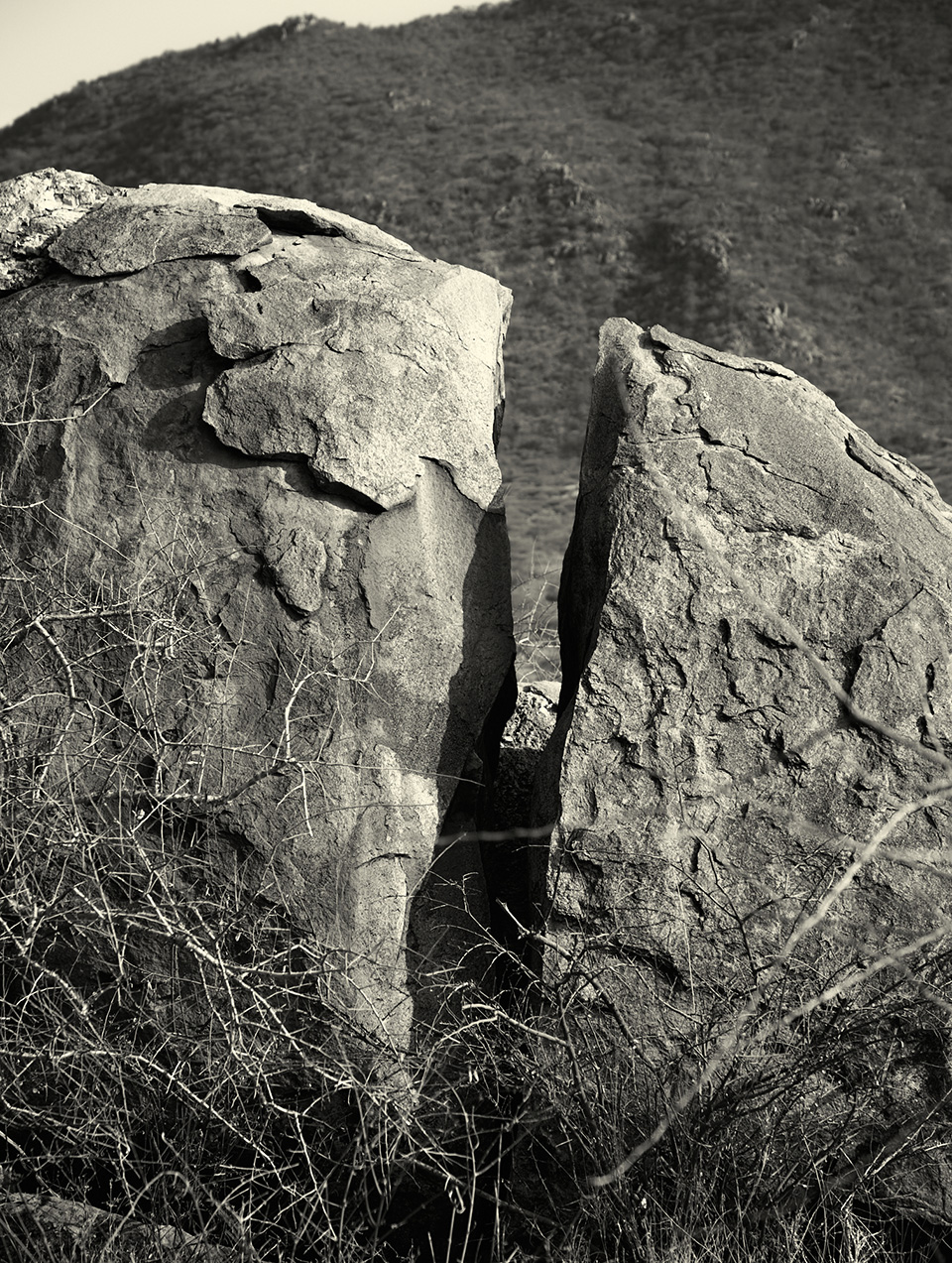
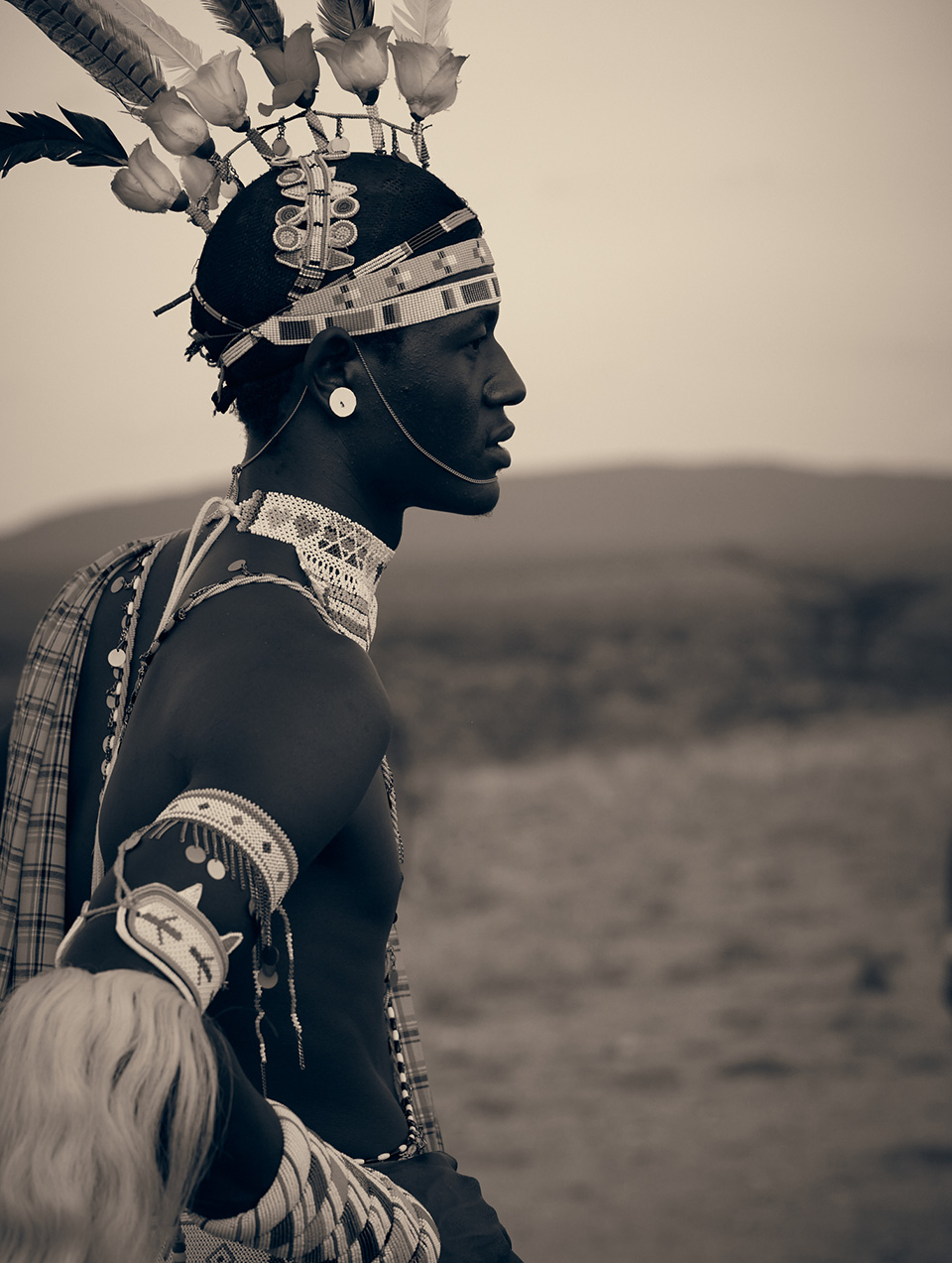
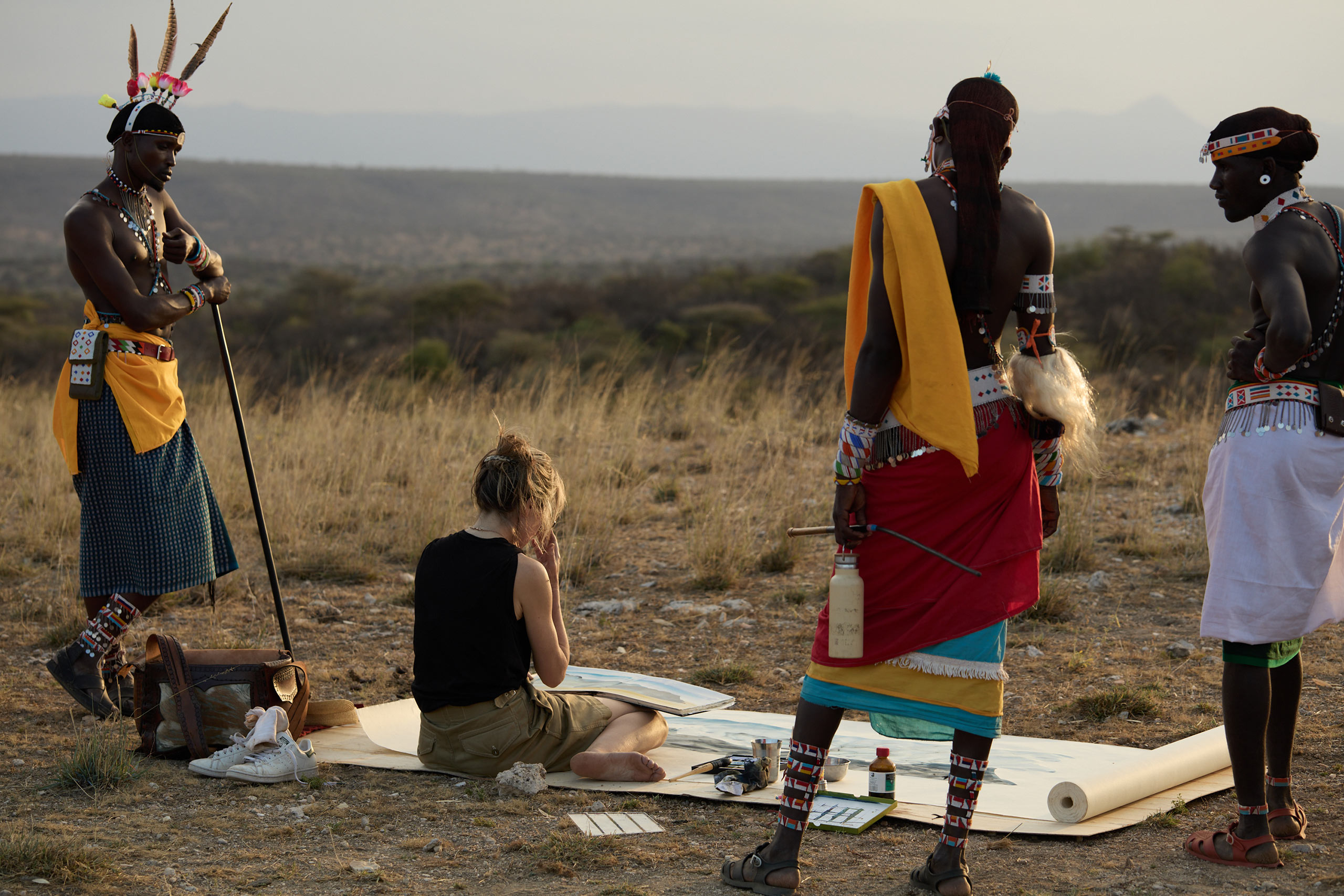
I extend my special thanks to photographer Miguel Flores-Vianna and his assistant Tom Moran, and also to film director Felipe Sanguinetti and his assistant Vadim Alsayed, who came with us to Kenya. Their patience and technical innovation knew no bounds, and I treasure the records they made, not to mention the spirit they added to the trip.
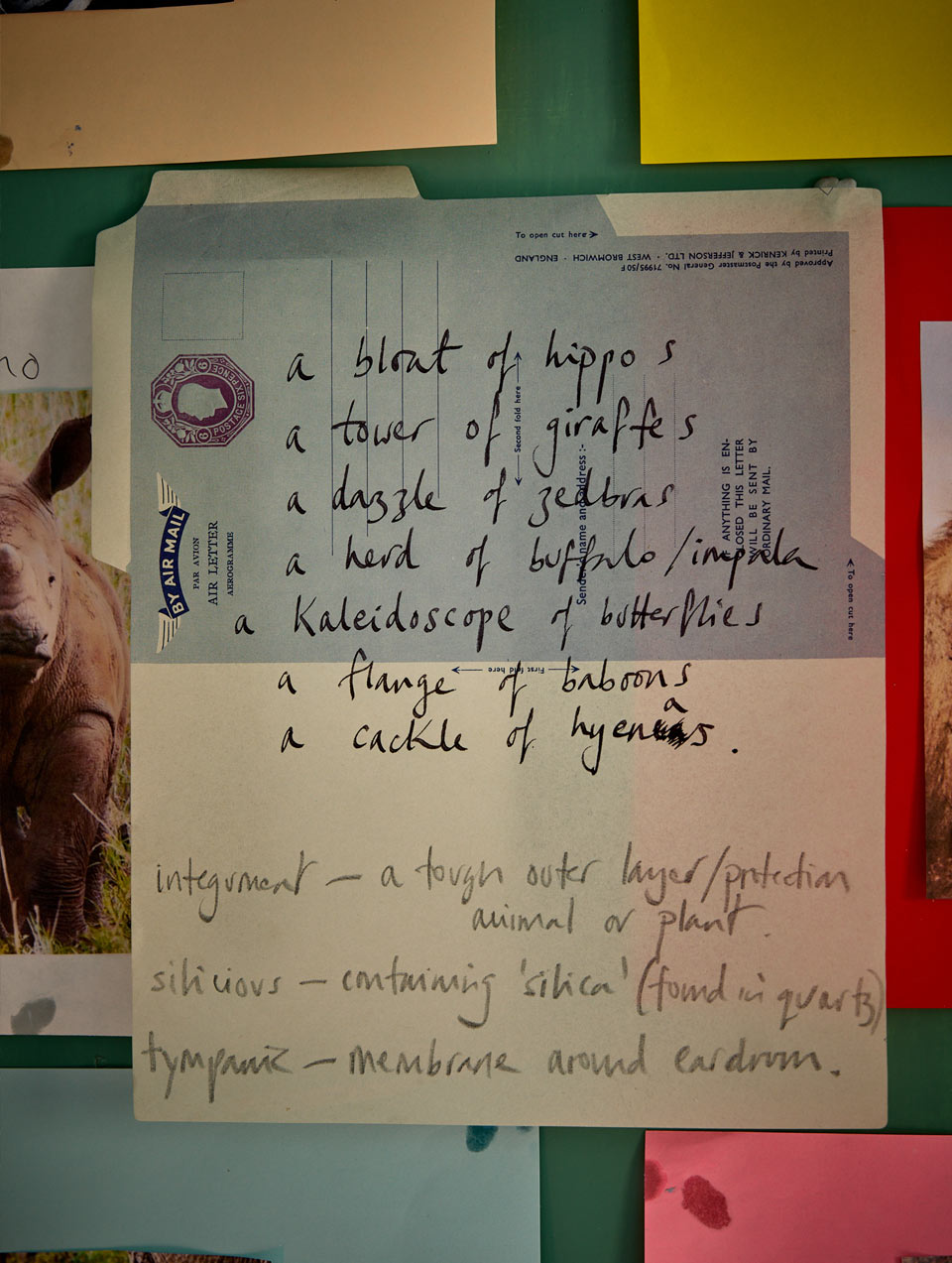
Acknowledgements
My deepest gratitude goes to Saba, Frank, Iain, and Oria Douglas-Hamilton, who put me on this path during the first lockdown in 2020, and whose inspiration will stay with me for ever. I am grateful to them for all the time they spent taking us into the heart of Sirocco and Samburu and enabling us to encounter all who live there. From organizing permits that allowed us to reach these remote locations with photographers and a film crew to granting us intimate access to their work with elephants in the plains of northern Kenya, they showed me an existence that I had never imagined.